


 Menu
Menu Back
BackPlanning an Outdoor Living Upgrade: What to Fix First in Your Backyard
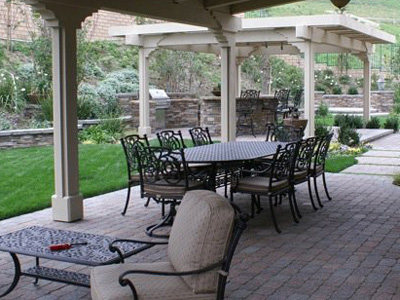 Upgrading your backyard into a functional outdoor living space is one of the most rewarding improvements a homeowner can make. From paver patios and retaining walls to complete outdoor living environments, the possibilities are exciting-but jumping straight into design features without addressing underlying issues can lead to costly problems later. Before selecting materials or planning layouts, its critical to understand what should be fixed first to ensure your outdoor upgrade is built to last.
Start With the Ground: Grading and Drainage Matter Most
Every successful outdoor living project begins below the surface. Poor grading and drainage are among the most common causes of failing patios, shifting pavers, and cracked retaining walls. If water collects near your home, pools in low areas, or runs across your yard after rainfall, those issues must be corrected before any construction begins.Proper grading ensures water flows away from structures, while drainage solutions protect hardscapes from erosion and settlement. Addressing these concerns early prevents premature damage and extends the lifespan of your outdoor investment.
Evaluate Existing Hardscapes for Structural Problems
If your yard already has a patio, walkway, or wall, inspect it carefully before expanding or replacing it. Signs of structural issues include sunken pavers, uneven surfaces, cracking, leaning walls, or loose materials. These problems often point to inadequate base preparation or drainage failures beneath the surface.Building new features over unstable hardscapes can transfer existing problems into the new design. A professional evaluation helps determine whether elements can be repaired, rebuilt, or incorporated safely into an upgraded layout.
Retaining Walls Come Before Patios and Features
Retaining walls are not decorative add-ons-they are structural systems designed to manage elevation changes, stabilize slopes, and control soil movement. If your backyard includes hills, uneven grades, or erosion-prone areas, retaining walls should be installed before patios, seating areas, or outdoor kitchens.Properly engineered retaining walls create usable space, protect surrounding structures, and establish the foundation for the rest of your outdoor design. Installing them later often requires removing finished surfaces, increasing both cost and disruption.
Plan Layout and Access Before Choosing Materials
Many homeowners focus on materials first-pavers, tile, or stone-without fully planning how the space will function. Before final selections are made, its important to consider traffic flow, access points, transitions from the home, and how different areas connect.Questions to answer early include:
- Where will people naturally walk and gather?
- How will furniture, grills, or features be accessed?
- Will future additions be possible without major demolition?
Address Utilities and Infrastructure Early
Outdoor living upgrades often require electrical lines, gas connections, drainage piping, or lighting infrastructure. Installing these elements after hardscapes are complete usually means cutting into finished surfaces, which compromises both appearance and structural integrity.Even if certain features arent being installed immediately, planning for them now-by placing sleeves, conduits, or access points-protects your investment and allows future upgrades with minimal disruption.
Choose Hardscape Materials Based on Performance, Not Just Looks
Once structural issues are resolved and planning is complete, material selection becomes far more effective. Pavers, stone, marble, and tile all perform differently depending on climate, usage, and installation methods.Durable materials paired with proper base preparation and installation techniques ensure your outdoor living space holds up to daily use, weather exposure, and long-term wear. Selecting materials without considering these factors can lead to maintenance headaches down the road.
Build in Phases Without Cutting Corners
Not every outdoor living project needs to be completed at once-but each phase must be built correctly. Starting with grading, walls, and primary hardscape surfaces allows homeowners to expand over time without sacrificing quality or stability.A phased approach works best when future upgrades are considered during the initial planning stage, ensuring every component integrates seamlessly as the space evolves.
Professional Planning Protects Your Investment
The most successful outdoor living upgrades share one common factor: professional planning from the start. Experienced contractors understand how structural elements, materials, and design choices interact-and how to prevent issues before they arise.By fixing foundational problems first and building with long-term performance in mind, homeowners create outdoor spaces that are not only beautiful but functional, durable, and built to last. For more outdoor living upgrade ideas and information about our services, please call JFK Company on 800-392-7283 or 805-577-9502. You can also use this Contact Us form to send requests or queries about our services.